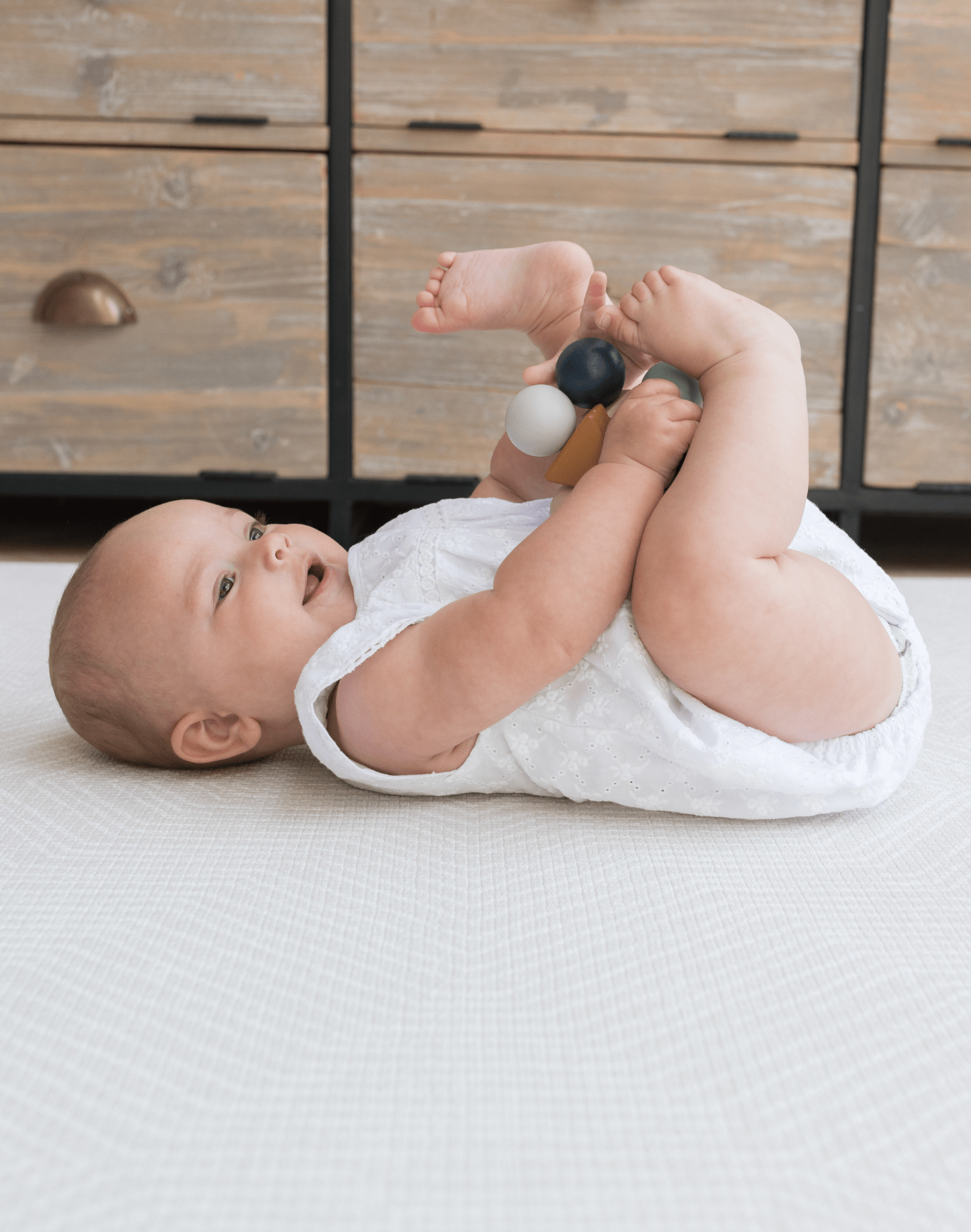

Children don’t need more toys or props when it comes to playing-to-learn, what they really need are considered environments, to support, encourage and nurture learning.
That’s exactly why so many parents and educators are drawn to Montessori. It’s not about perfectly curated shelves or strict colour palettes, it’s about intention.

What Montessori Really Means (And What It Doesn’t)
A Montessori playroom or classroom isn’t defined by how it looks, but by how it works.
At its core, a Montessori play space is:
-
Child-led
-
Calm and uncluttered
-
Designed for independence
-
Built around accessibility
It’s a space where children can move freely, choose their activities and explore without constant intervention.
Start From the Ground Up
In Montessori environments, the floor isn’t an afterthought, it is the foundation.
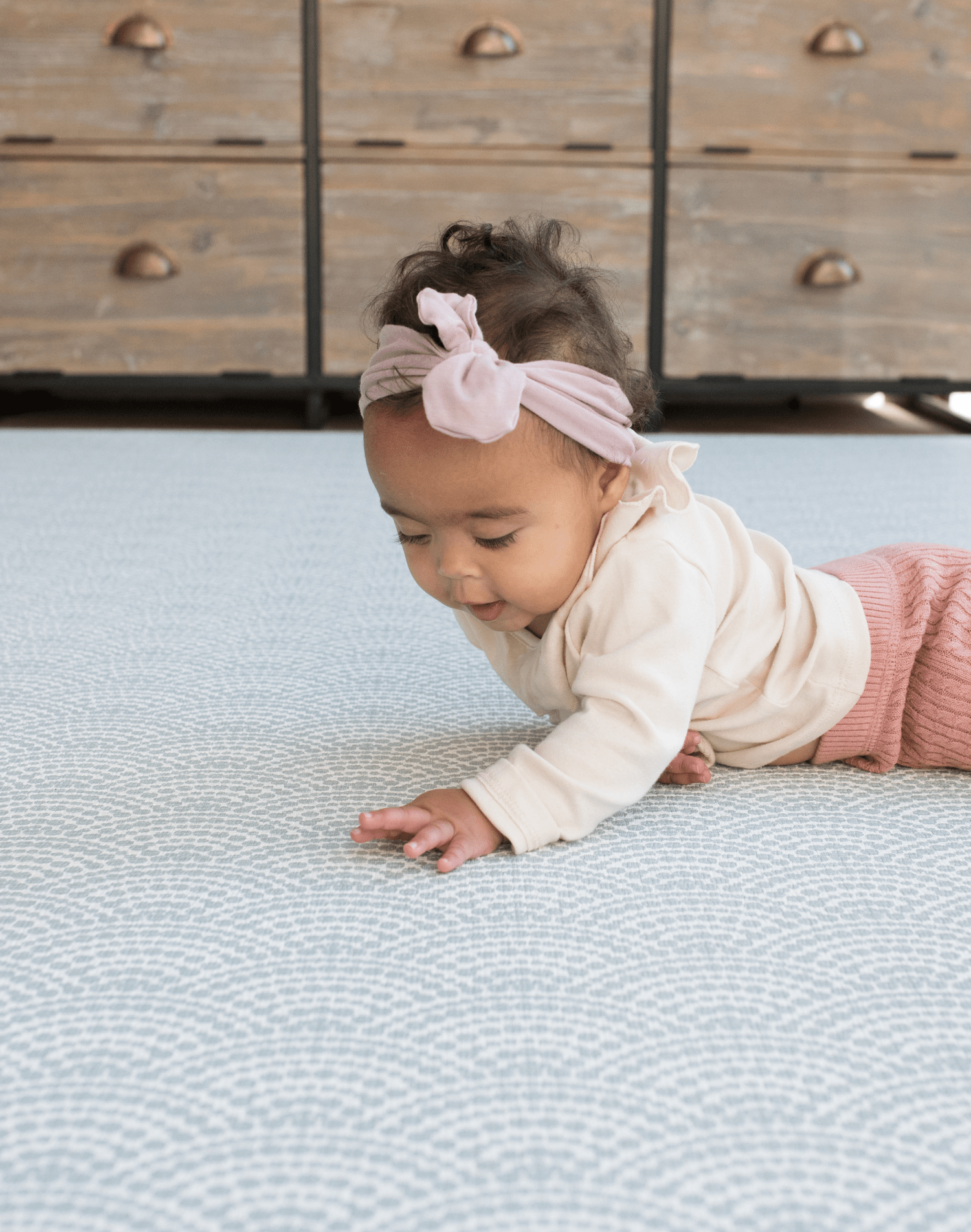
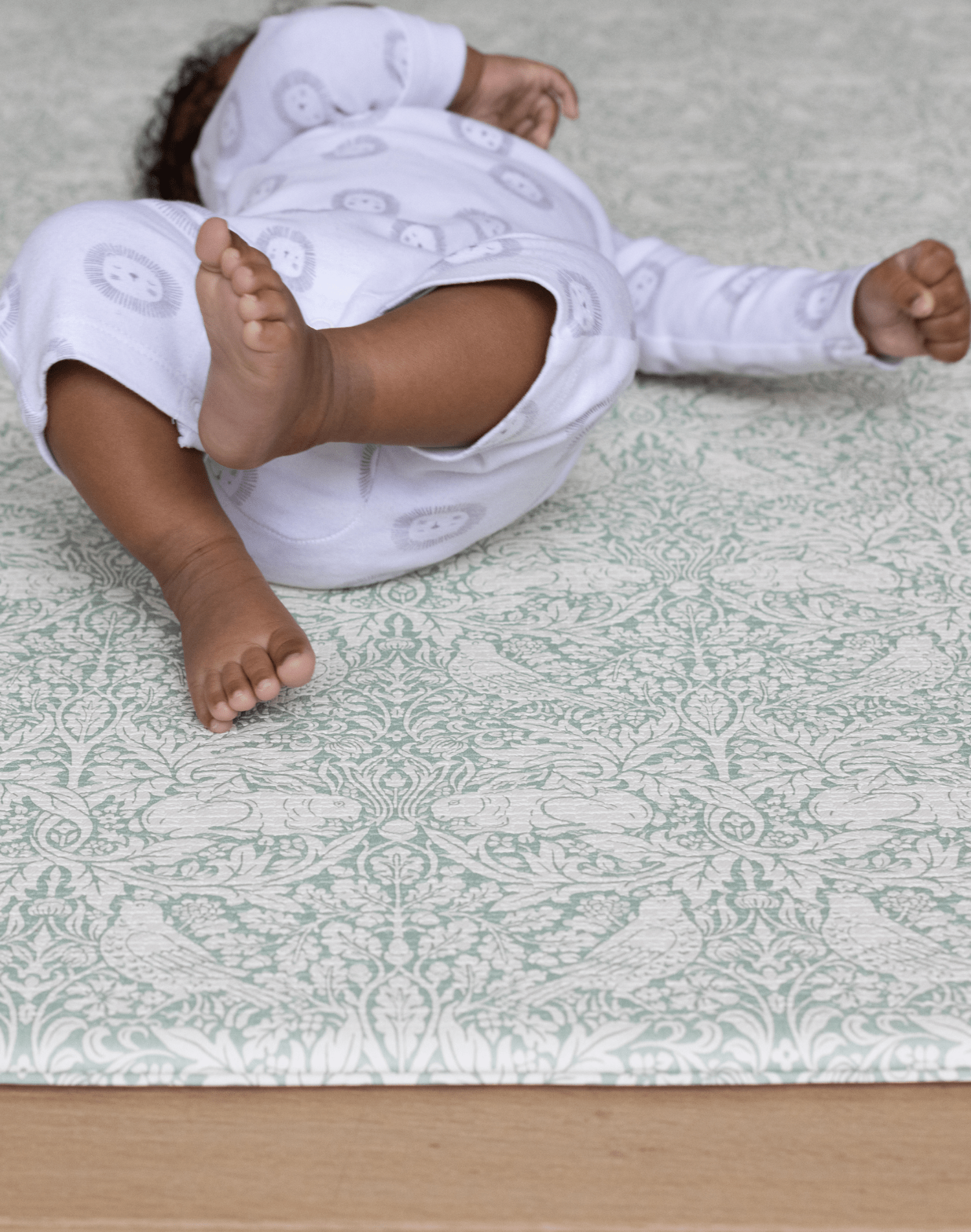
Floor play is central to early childhood development. It’s where babies build strength during tummy time, where toddlers take those first wobbly steps and where children play, read and so much more. That’s why choosing the right floor coverings matter so much for playrooms and classrooms.
A supportive, comfortable surface allows children to:
-
Move freely and safely
-
Build confidence in their bodies
-
Stay engaged for longer periods of play
If we’re expecting children to spend so much time on the floor, let’s put as much thought into that, as we do styling the rest of the room.

Keep It Calm, Not Empty
One of the biggest misconceptions around Montessori spaces is that they should feel sparse. But Montessori isn’t about removing everything, it’s about choosing what stays.
Think:
-
Fewer toys that are thoughtfully displayed
-
Rotated activities to maintain interest
-
Clear surfaces that don’t overwhelm
The goal is visual calm, not absence. A well-designed Montessori play space helps children focus. It reduces overstimulation and creates a sense of ease, for little ones and for the adults in the room too.
Create Clear Zones for Play
Children thrive when spaces are intuitive. In both Montessori classrooms and playrooms, layout matters. Defining simple zones helps children understand how to use the space without needing constant direction.
You might include:
-
A movement area for crawling, rolling, climbing
-
A focused play space for puzzles or building
-
A quiet corner for reading or resting
These don’t need walls or dividers. Often, subtle changes, like a soft work mat underfoot, creates a zone. It’s about guiding behaviour through design, not instruction.

Design for Independence
Independence sits at the heart of the Montessori approach.
Everything in the space should be accessible to the child:
-
Low shelves
-
Reachable toys
-
Safe, stable surfaces
Because if a child can’t access something, they can’t learn from it. This applies to the floor too. A surface that feels secure underfoot encourages movement, exploration, and confidence, especially during those early developmental stages.
Make It Work for Real Life
The Montessori aesthetic is picture perfect on Pinterest, but a working Montessori space has to stand up to a lot. Here's how to make it functional:
-
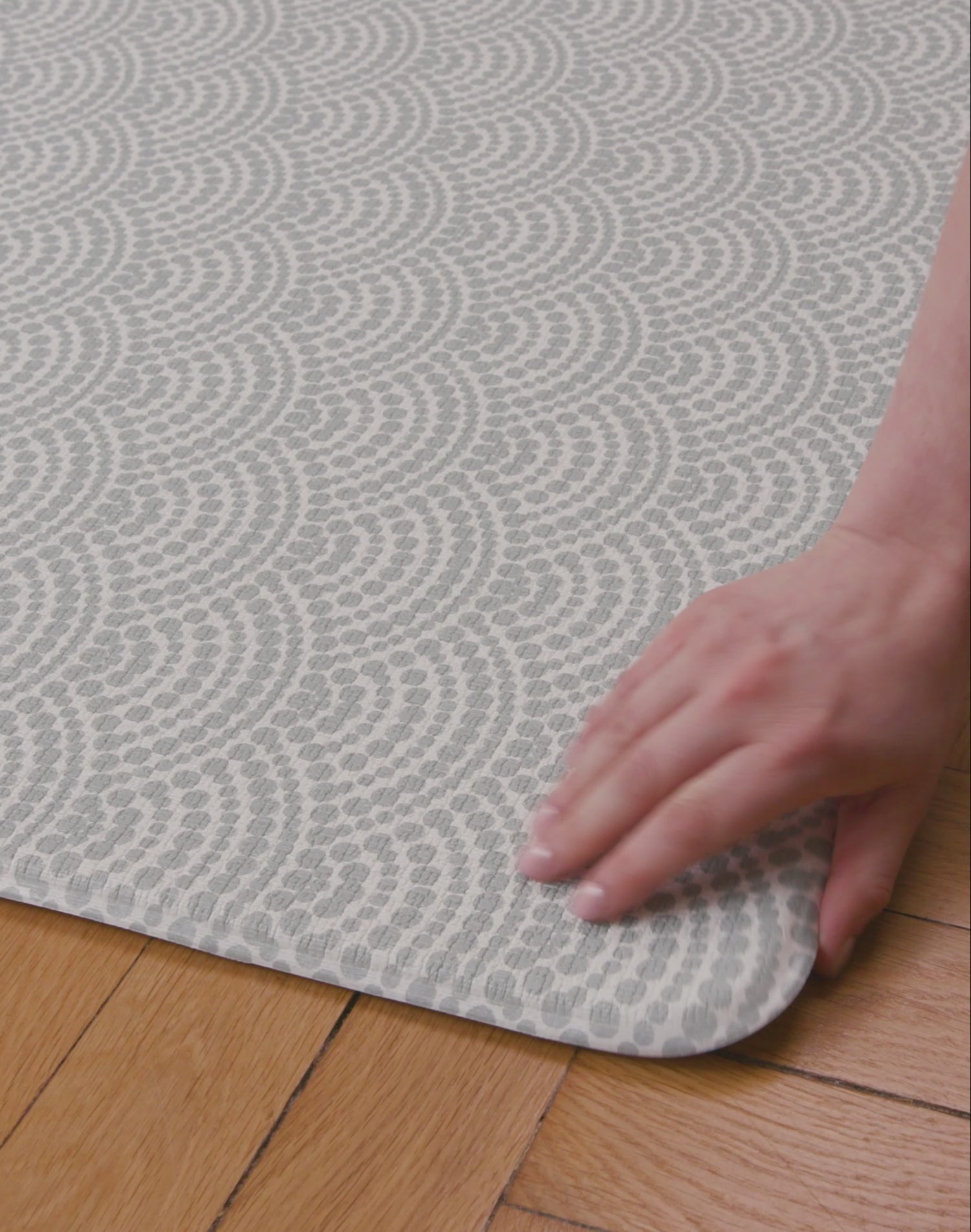
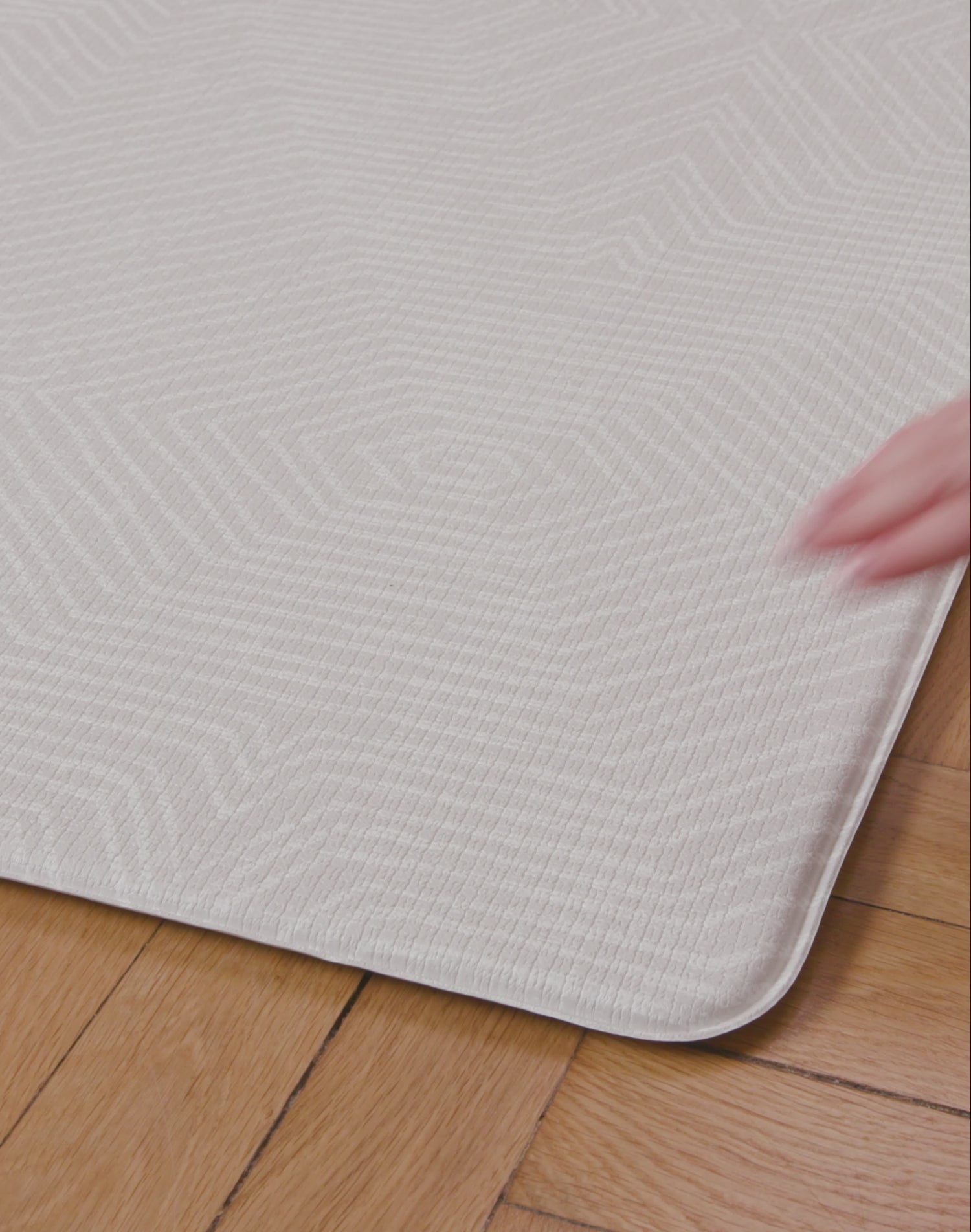
Wipeable surfaces for easy cleaning
-
Durable materials that last
-
Simple layouts and toy rotations that are easy to reset
Because a good Montessori play space isn’t just for children. It works for the people caring for them too. And with Totter + Tumble, comfort and practicality go hand-in-hand, no compromises.
A Space That Grows With Them
The best Montessori spaces don’t need reinventing every few months, they evolve.
A well-considered playroom or classroom adapts as children grow, from tummy time to independent play, from first steps to focused activities.
It’s less about constantly adding, and more about refining. That’s where thoughtful design really comes into its own. Choosing pieces that last and creating a space that supports every stage.
Buy better, buy once. It’s a philosophy we come back to time and time again.

So, What Makes a Montessori Playroom Work?
A Montessori playroom or classroom isn’t about getting everything right per se.
It’s about creating a space where children feel:
-
Comfortable
-
Capable
-
Curious
Where they can move, explore and learn in their own way. More often than not, that begins exactly where they are: on the floor.
Preguntas frecuentes
What is a Montessori playroom?
A Montessori playroom is a child-led space designed to encourage independence, movement and focused play through accessible, thoughtfully arranged environments.
Do Montessori playrooms need to be minimal?
No. They should feel calm and curated, not empty. The focus is on clarity, not restriction.
Why is floor play important in Montessori?
Floor play supports movement, coordination and early development, allowing children to explore freely at their own pace.
What is the best flooring for a Montessori play space?
Supportive, comfortable and easy-to-clean surfaces like Totter + Tumble mats that allow safe movement
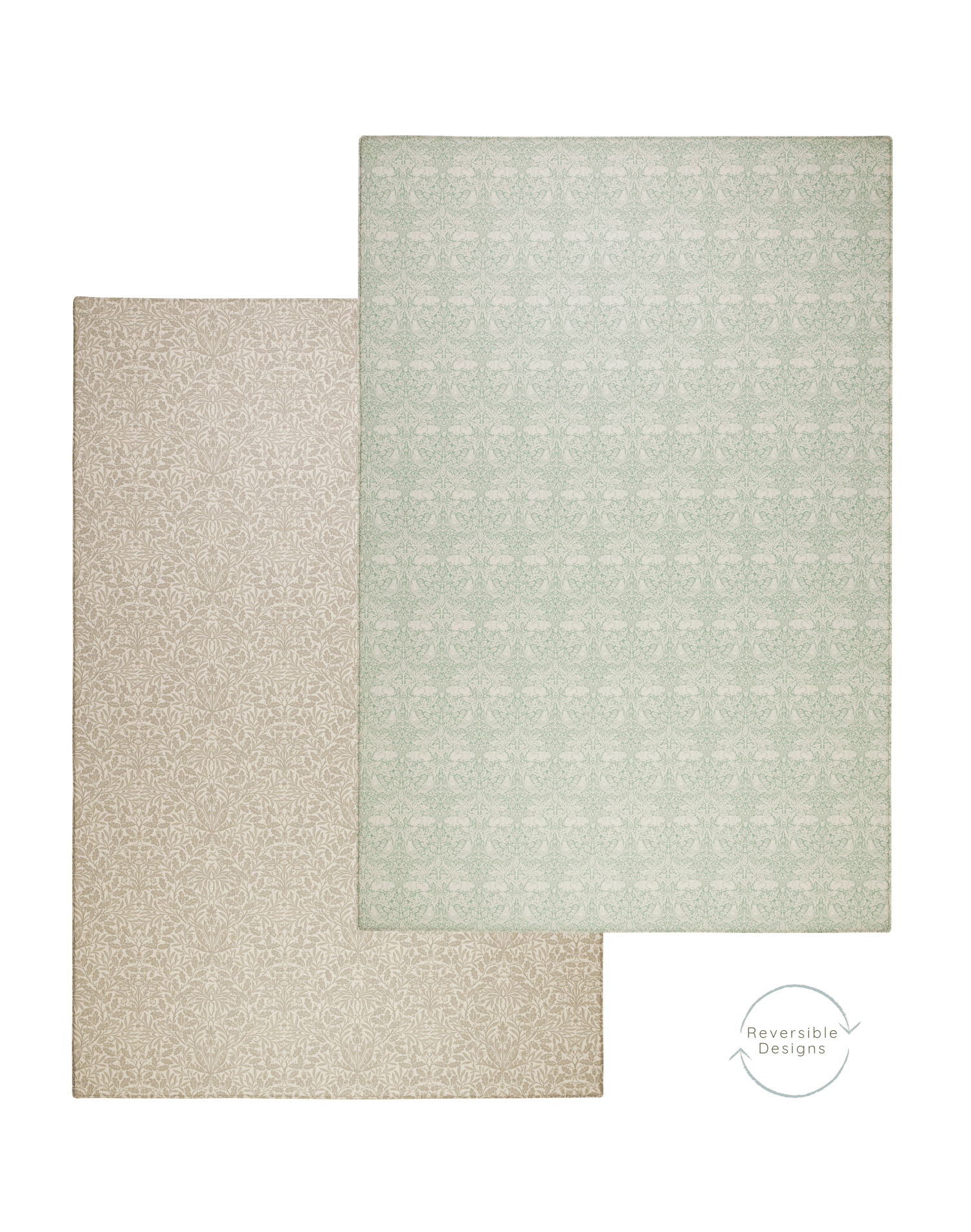
Explore our range of Montessori inspired work mats, ideal for use in educational settings and at home. Ordering more than 5 for your setting? Visit our Bulk Order page.